
Close


The allure of high-stakes casino gambling often lies in the thrill that comes with risking large sums of money. This adrenaline rush can heighten emotions, making players feel alive and engaged in a way that other activities may not. The anticipation before a game or a spin of the roulette wheel can trigger a chemical response in the brain that mimics the rush of excitement. This response can lead to a sense of euphoria, which is a significant driving force behind a gambler’s decision to continue playing, even when faced with losses. For those interested in experiencing this thrill at safe venues, exploring the best uk non gamstop casinos might be a worthwhile option.
Moreover, the experience of winning can create a powerful psychological grip on gamblers. The excitement of a big win can reinforce behaviors, making individuals more likely to return to the casino in hopes of replicating that thrill. This cycle of winning and losing creates a dynamic environment where the highs can overshadow the lows, leading players to chase that elusive winning moment, often to their detriment.
One fascinating aspect of gambling psychology is the illusion of control that can accompany high-stakes gambling. Players often believe they can influence the outcome of a game, especially in games that involve skill, such as poker. This belief can drive individuals to place larger bets, underestimating the inherent randomness of chance games like slot machines and roulette. The psychology of feeling in control can lead to a false sense of confidence, encouraging players to gamble more than they initially intended.
Additionally, this illusion is often exacerbated by personal biases, such as “the gambler’s fallacy,” where individuals believe that past results can influence future outcomes. For instance, a player might think that a particular slot machine is “due” for a win after a series of losses. These cognitive biases play a significant role in shaping gambling behaviors and can lead to problematic gambling habits.
High-stakes gambling also involves complex social dynamics that can impact decision-making. Many gamblers are drawn to the social aspect of casinos, where the collective atmosphere can amplify the experience. Playing alongside others can create a sense of camaraderie, and the excitement of shared experiences can further fuel the desire to gamble. Interestingly, social interactions can also lead to increased risk-taking, as individuals may feel emboldened by the presence of peers.
Moreover, the status associated with high-stakes gambling can enhance the desire to participate. This social status can lead to what psychologists call “peer pressure,” where individuals are encouraged to take risks to fit in or assert their status among friends or peers. In this environment, judgments about a player’s worth can become tied to their gambling success, perpetuating a cycle where individuals feel compelled to engage in high-stakes betting.
For some, high-stakes casino gambling is more than just a game; it’s a form of emotional escapism. Individuals facing personal challenges or stressors may turn to casinos as a way to temporarily escape their reality. The sensory overload of lights, sounds, and social interactions can provide a distraction from everyday worries. This form of escapism can be particularly appealing in challenging times, drawing individuals into a cycle of gambling as a coping mechanism.
Unfortunately, while gambling may provide temporary relief, it can also lead to long-term consequences. The initial thrill can fade, leading to a reliance on gambling as a primary means of escaping problems. This psychological dependence on gambling can escalate, resulting in significant emotional and financial distress.
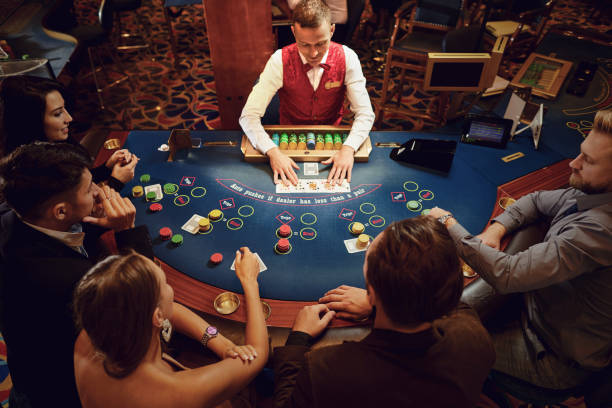
In an era where gambling is increasingly accessible, it is crucial for individuals to be aware of the psychological factors involved in high-stakes gambling. The website aims to educate users about the potential risks associated with gambling and emphasizes the importance of responsible gaming practices. By providing information on how to approach gambling safely, it seeks to inform players about the psychological pitfalls they might encounter.
Additionally, the platform is designed with user security in mind, offering a safe browsing experience that protects against potential online threats. By fostering a secure environment, the website ensures that users can engage with content related to gambling without compromising their safety, creating a more informed community that can make better decisions when it comes to high-stakes casino gambling.
