
Close


Casino gambling captivates many individuals, fascinating them with the prospect of winning large sums of money. The psychology behind this allure can be deeply rooted in human nature, driven by a combination of thrill-seeking behavior and the promise of reward. Gambling often serves as a means of escapism, allowing individuals to temporarily forget their daily stresses and immerse themselves in a world of excitement and chance. Many are drawn to the thrill of bitcoin casinos as they offer unique opportunities for adventure and potential rewards.

The anticipation of risk often ignites the brain’s reward system, releasing dopamine, which is closely associated with pleasure and motivation. This biochemical reaction explains why individuals continue to gamble despite the odds not being in their favor. The unpredictable nature of casino games heightens the level of excitement, fostering a cycle that encourages repeated participation.
Cognitive biases play a significant role in how individuals perceive risk in gambling environments. One common bias is the illusion of control, where gamblers believe they can influence the outcome of random games. For example, players may insist that their strategies or lucky charms can lead to winning, despite the inherent randomness of the games. This belief can not only enhance their enjoyment but can also lead to persistent participation in gambling activities.
Another relevant cognitive bias is the gambler’s fallacy, which is the belief that past outcomes influence future events. A player might assume that a particular slot machine is “due” for a payout after a series of losses. Such misconceptions can perpetuate gambling behavior, making it challenging for individuals to recognize the true nature of chance in these environments.
The concept of uncertainty is fundamentally intertwined with gambling. The unpredictable nature of casino games creates a thrilling atmosphere that many find irresistible. This excitement can evoke a rush similar to extreme sports, where the combination of fear and exhilaration becomes addictive. As individuals engage more with gambling, they may begin to chase that initial high, leading to increased stakes and riskier behavior.
Research has shown that the desire for excitement can sometimes overshadow the logical evaluation of risks. The unpredictable outcomes serve as a powerful motivator for continued gambling, as players often find themselves drawn back to the casino in search of that perfect moment of victory.
Gambling is not merely a solitary activity; it is often influenced by social contexts and emotional states. Individuals may gamble as a form of social interaction, participating in games with friends or taking part in community events. The social atmosphere of a casino can enhance the experience, making it more enjoyable and reinforcing the behavior through shared excitement.
Additionally, emotional factors such as stress, boredom, or even joy can trigger gambling behaviors. Many people turn to casinos as a coping mechanism to handle negative emotions or to celebrate positive life events. This interplay between emotions and social influences can create a strong compulsion to gamble, leading to increased frequency and risk-taking.
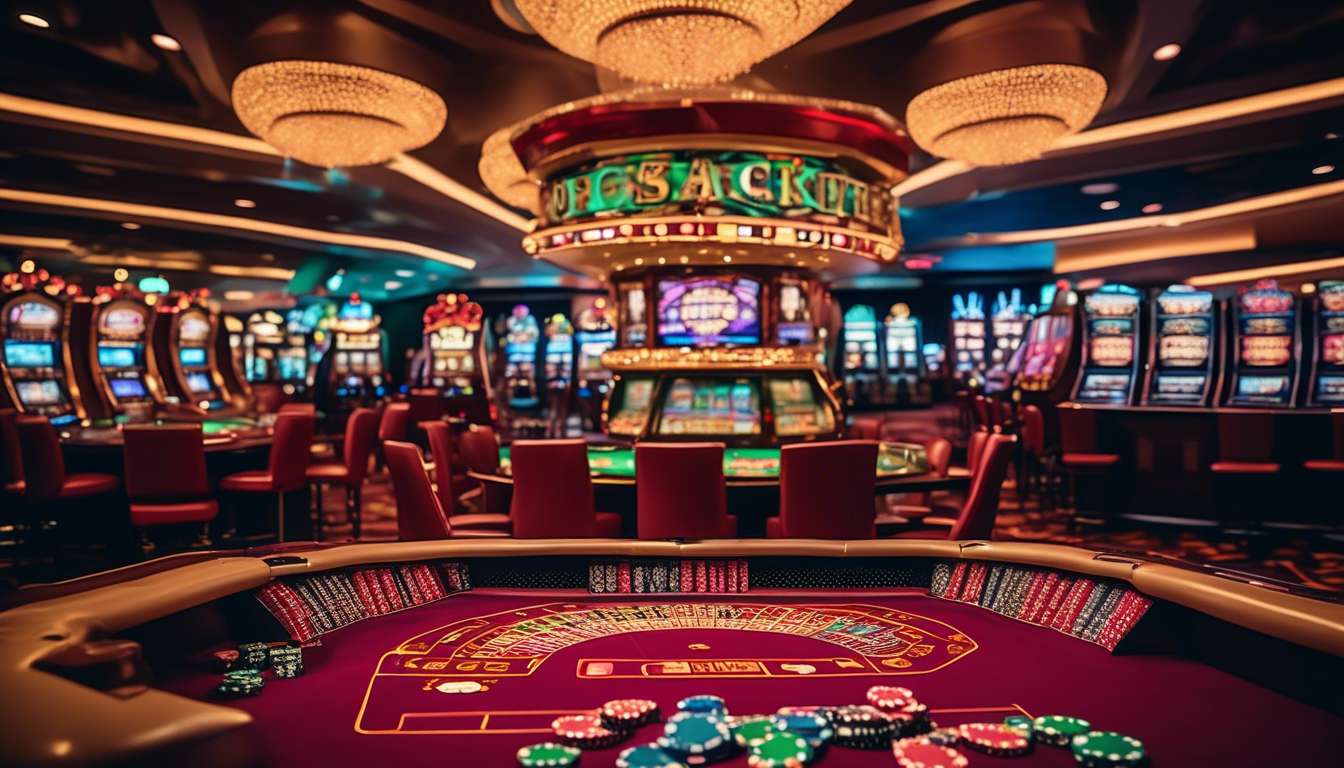
For those interested in exploring the complex psychology behind casino gambling further, numerous online resources are available. Websites dedicated to gambling psychology offer insights into behavioral patterns, the impact of cognitive biases, and strategies for responsible gaming. These platforms serve as valuable tools for individuals seeking to understand their gambling habits and the psychological mechanisms at play.
While engaging in gambling can be an exciting venture, it is essential to approach it with an understanding of the risks involved. By accessing informative content and supportive communities, players can foster a healthier relationship with gambling and make more informed decisions.
